

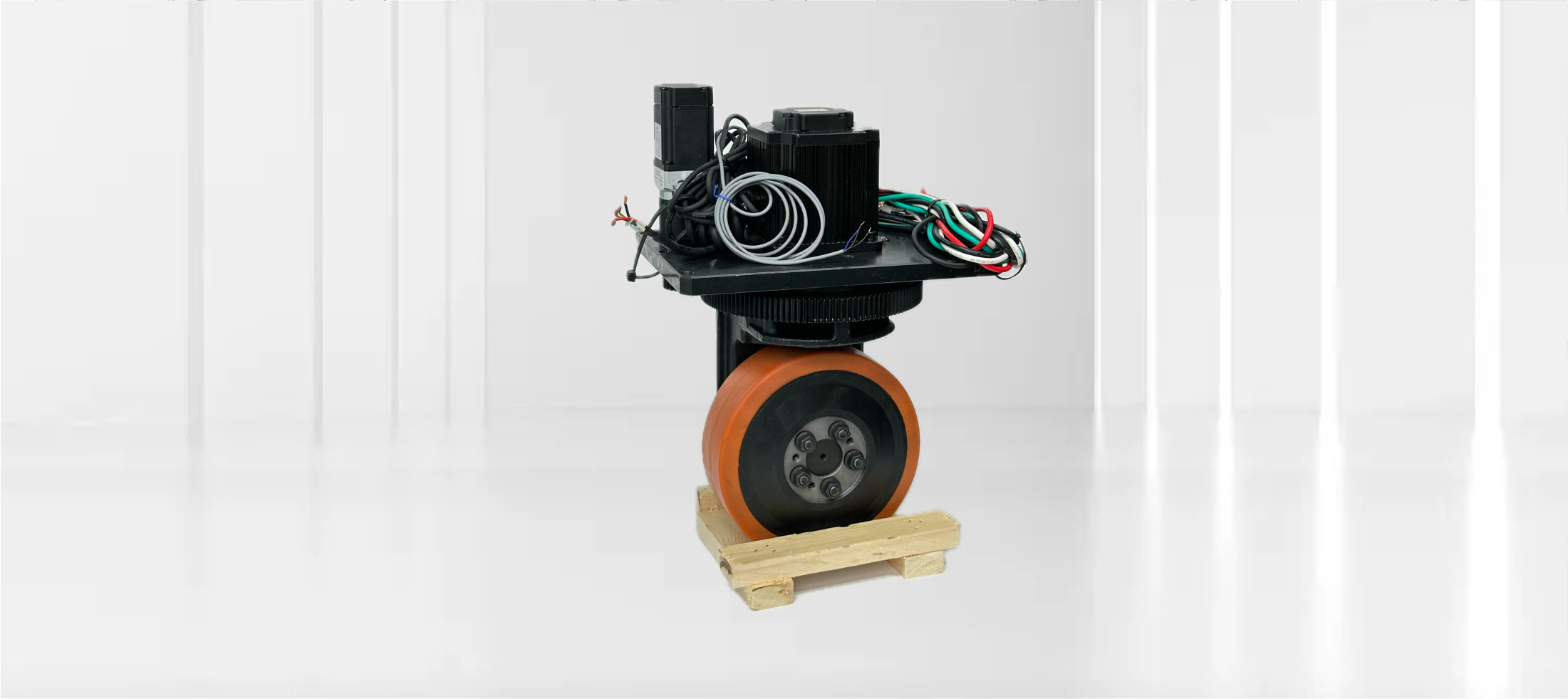
En los sistemas de vehículos industriales, las ruedas de las carretillas elevadoras son mucho más que componentes pasivos que soportan cargas. Desde una perspectiva de ingeniería, las ruedas de las carretillas elevadoras desempeñan un papel fundamental en la determinación de la capacidad de carga, la estabilidad de la conducción, la maniobrabilidad y los costes operativos a largo plazo.
1. El papel de ingeniería de las ruedas de las carretillas elevadoras en los sistemas de vehículos
Las carretillas elevadoras suelen funcionar en condiciones caracterizadas por cargas pesadas, bajas velocidades y ciclos frecuentes de arranque y parada. Esto impone exigencias únicas al diseño de las ruedas, requiriendo tanto una alta capacidad de carga estática como un rendimiento dinámico estable.
Los parámetros clave del sistema que influyen en la selección de las ruedas de las carretillas elevadoras incluyen:
-
Carga nominal y distribución del centro de gravedad
-
Entorno operativo (interior, exterior, uso mixto)
-
Ciclo de trabajo y tiempo de funcionamiento continuo
-
Condiciones del suelo y requisitos de abrasión
Como resultado, las ruedas de las carretillas elevadoras deben considerarse al principio del proceso de diseño del vehículo, en lugar de tratarlas como accesorios intercambiables.

2. Impacto en el rendimiento de los diferentes tipos de ruedas de carretilla elevadora
Las configuraciones de ruedas comunes se seleccionan en función de las necesidades específicas de la aplicación:
-
Ruedas macizas
Altamente duraderas y resistentes a los pinchazos, adecuadas para entornos de servicio pesado y exigentes.
Sin embargo, la absorción de vibraciones es limitada, lo que hace que las condiciones del suelo sean un factor crítico. -
Ruedas de poliuretano
Ofreciendo una baja resistencia a la rodadura y una excelente resistencia al desgaste, estas ruedas se utilizan ampliamente en aplicaciones de almacén interiores donde la protección del suelo es esencial. -
Ruedas de goma
Proporcionando una absorción de impactos y una tracción superiores, las ruedas de goma funcionan bien en exteriores o en superficies irregulares.
La selección de la configuración adecuada de las ruedas de la carretilla elevadora ayuda a equilibrar la durabilidad, la seguridad y la eficiencia operativa.
3. Consideraciones sobre la capacidad de carga y el margen de seguridad
En aplicaciones del mundo real, los cálculos de carga de las ruedas deben tener en cuenta algo más que la distribución nominal del peso. Los ingenieros deben considerar:
-
Transferencia de carga durante el levantamiento y el frenado
-
Carga desigual durante las maniobras de giro
-
Impactos localizados causados por irregularidades del suelo
Mantener un margen de seguridad adecuado en el diseño de las ruedas de las carretillas elevadoras es esencial para garantizar la fiabilidad a largo plazo y evitar fallos prematuros.
4. Resistencia al desgaste y coste total de propiedad
Desde una perspectiva de coste del ciclo de vida, la durabilidad de las ruedas a menudo supera el precio de compra inicial. Las ruedas de carretilla elevadora de alta calidad pueden reducir significativamente:
-
Tiempo de inactividad causado por reemplazos frecuentes
-
Daños en el suelo y costes de mantenimiento asociados
-
Pérdidas de eficiencia debido al rendimiento de rodadura degradado
Para operaciones de logística y almacén de alto rendimiento, la consistencia y la durabilidad son indicadores clave de rendimiento.
5. Estrategia de selección orientada a la aplicación
Los diferentes escenarios operativos otorgan diferentes prioridades a las ruedas de las carretillas elevadoras:
-
Almacenes y centros de distribución: rodadura suave y protección del suelo
-
Entornos de fabricación pesada: máxima capacidad de carga y resistencia estructural
-
Operaciones al aire libre o de uso mixto: resistencia ambiental y tracción
Evaluar las ruedas de las carretillas elevadoras como parte del sistema completo del vehículo permite tomar decisiones de ingeniería informadas y optimizar el rendimiento a largo plazo.
Las ruedas de las carretillas elevadoras no son consumibles, definen la calidad operativa de la carretilla elevadora.
Compartir:
Ruedas motrices de robots para robots móviles: consideraciones de ingeniería desde la arquitectura de accionamiento hasta el rendimiento
Módulo giratorio con tecnología de elevación para AGV: manipulación fiable de materiales pesados